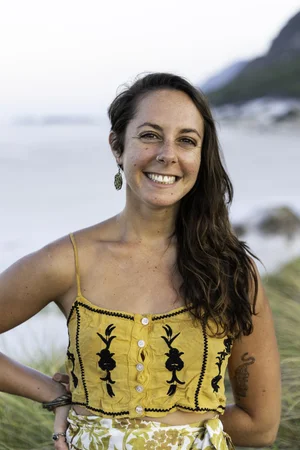
I’m Returning to Psychology: Bridging Somatic Healing and Clinical Practice
Over the past few months, I’ve been sitting with a meaningful decision:
I’m returning to formal psychology training, with the long-term aim of licensure in South Africa.
This choice came from many years of consideration, deliberation, thinking, feeling, and eventually arriving at a place of clarity. I’m committed to responsibly bridging somatic, relational, and animist ways of working with the clinical systems that currently shape mental health care.
At nine years old, I wanted to be a child psychologist, long before I had language for trauma, eating disorders, or healing. That early sensitivity to suffering never left.
If we want these systems to evolve, we have to be willing to meet them where they are, bringing integrity, creativity, and depth with us.
I began studying psychology years ago and stepped away to follow something else. That side quest could only take my soul so far, and I was called back to the world of the body and the mind.
I began taking a more winding path, weaving lived experience, embodiment practices, psychedelics, group work, alternative study pathways, and years of practice with people navigating disordered eating and body image struggles.
Some paths aren’t linear. They loop, pause, wander, and return. What I’ve learned is that depth often comes not from getting it right the first time, but from staying in relationship with what continues to matter through doubt, detours, and seasons of not knowing.
What has shifted is how I understand recovery and transformation: to accompany the change process rather than directing or anticipating the next step.
For me, bridge work means slowing down and listening rather than rushing insight. These in-between spaces ask for patience, courage, and discernment. It means grounding transformational and somatic work in pacing, integration, and relationship. It means staying in conversation with research, systems, and community so this work can be accessible, accountable, sustainable, and developed.
This deepening is directly informing how I hold space now: wider perspective, greater attunement to group dynamics, and a growing understanding of the many intersecting factors that shape eating disorders beyond food alone.
Study, practice, and lived experience aren’t separate streams for me. They inform each other.
For me, this decision isn’t about achievement. It’s about listening closely to what feels alive, honest, and necessary at this stage of life, and being willing to shape a life around that listening. I trust many of you are navigating similar questions in your own way.
May we continue to choose to do the work that is ours to do with integrity and devotion.